What Managers Need to Know About Motivating Gen Z Employees
- Chaitanya Prabhu
- Dec 29, 2025
- 5 min read

Here's the reality check most managers need: if you're still using the same motivational playbook that worked for millennials or Gen X, you're probably watching your Gen Z talent walk out the door. And with good reason: this generation brings a completely different set of expectations, values, and work styles to the table.
Gen Z isn't just "millennials but younger." They're the first truly digital native generation, shaped by economic uncertainty, social awareness, and a fundamentally different relationship with work itself. Understanding what drives them isn't just nice-to-have knowledge: it's essential for building teams that actually perform.
The Foundation: What Actually Motivates Gen Z
Let's cut straight to what matters most. Seventy percent of Gen Z employees cite fair compensation as their primary motivator. But here's where it gets interesting: money alone won't keep them engaged. They're looking for a complete package that includes purpose, flexibility, and genuine growth opportunities.
Purpose-driven work sits at the core of Gen Z motivation. They don't just want to know what they're doing; they want to understand why it matters. How does their role impact customers? What difference is the company making in the world? These aren't fluffy questions: they're fundamental to how this generation defines career satisfaction.
Work-life balance and flexibility rank equally high on their priority list. Gen Z watched their parents burn out in traditional corporate structures, and they're determined to write a different story. They want the freedom to work when and where they're most productive, whether that's a coffee shop at 6 AM or their home office at midnight.
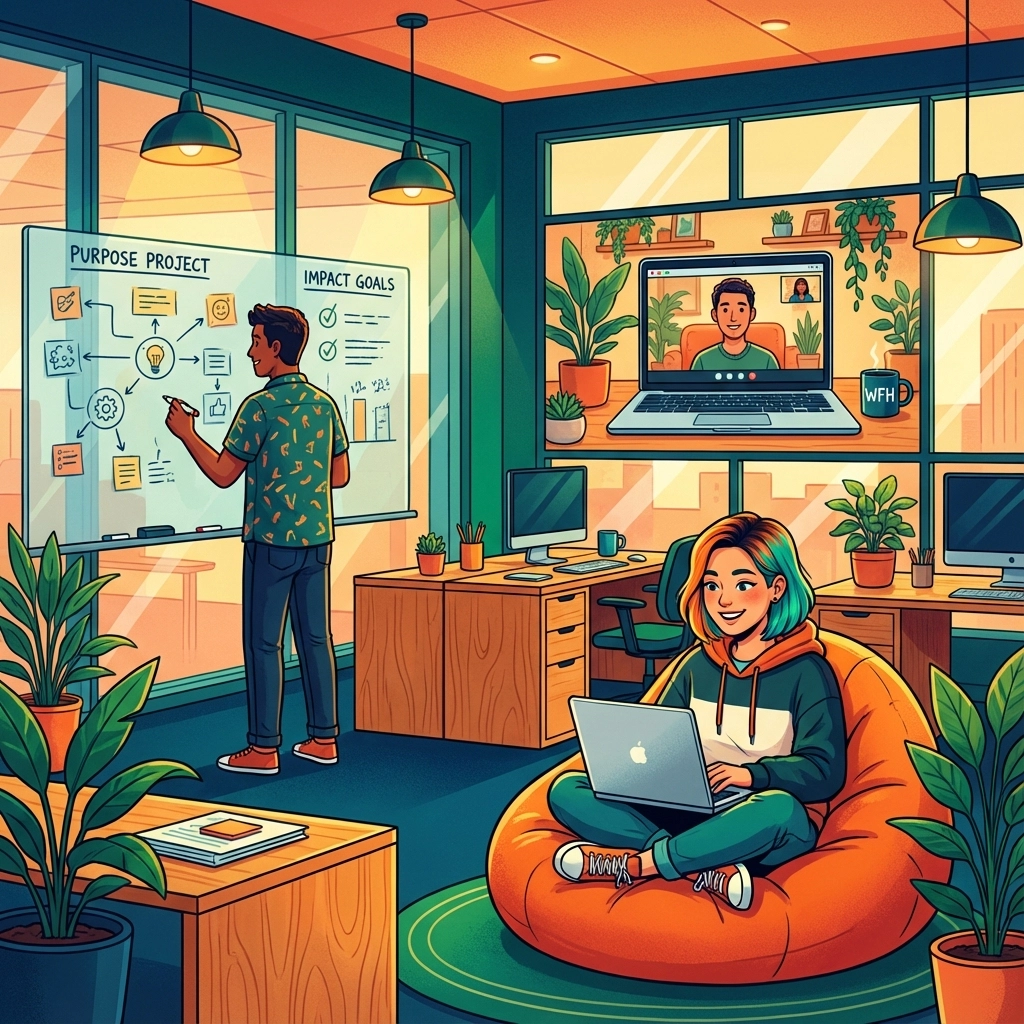
Transparency and open communication round out their core needs. Gen Z employees expect honest conversations about company decisions, their role's significance, and their career trajectory. They've grown up with instant access to information, and workplace opacity feels outdated and disrespectful.
Building the Right Communication Framework
Traditional top-down communication doesn't land with Gen Z. They want collaborative dialogue, not corporate monologues. When implementing new policies or making team decisions, involve them in the conversation. Ask for their input, explain the reasoning behind choices, and be prepared to answer direct questions about company direction.
Regular check-ins matter more than annual reviews. Gen Z craves continuous feedback rather than waiting months to understand their performance. Schedule weekly or bi-weekly one-on-ones focused on their growth, challenges, and wins. These conversations should feel more like mentoring sessions than performance evaluations.
Create multiple communication channels that match their digital-first preferences. While face-to-face meetings have their place, don't underestimate the power of Slack updates, collaborative documents, or even video messages for routine communications.
Recognition That Actually Resonates
Generic "great job" feedback falls flat with Gen Z. They want specific, timely, and personalized recognition that demonstrates you actually noticed their work. Instead of saying "Thanks for the presentation," try "Your data visualization in slide 7 made the revenue trends crystal clear for the executive team."
Public recognition amplifies impact. Gen Z appreciates being acknowledged in team meetings, company newsletters, or internal social platforms. They're comfortable with visibility and often motivated by peer recognition as much as manager approval.
Peer-to-peer recognition programs work exceptionally well with this generation. Give them platforms to celebrate each other's achievements. Whether it's a dedicated Slack channel or a formal nomination system, empowering them to recognize their colleagues builds the collaborative culture they crave.
Learning and Development: The Career Accelerator
Gen Z expects rapid skill development over traditional career laddering. They want to learn new technologies, take on stretch projects, and build diverse skill sets quickly. This means creating learning opportunities that go beyond annual training budgets.
Mentorship programs hit multiple motivational sweet spots for Gen Z. They provide the guidance they're seeking, create personal connections within the company, and offer clear pathways for growth. Pair them with mentors from different departments to broaden their organizational understanding.
Cross-functional projects satisfy their desire for variety and learning. When possible, give Gen Z employees opportunities to work with different teams, tackle new challenges, and see how various parts of the business operate. This exposure keeps them engaged while building valuable company knowledge.
Consider external learning opportunities like conferences, workshops, or online courses. Gen Z appreciates when companies invest in their development beyond immediate job requirements. It signals long-term commitment to their growth and career success.
Creating Community and Belonging
Gen Z might be digital natives, but they still crave authentic human connections at work. They want to feel part of something bigger than their individual role. Team-building activities that feel genuine (not forced corporate fun) help build these bonds.
Employee resource groups resonate strongly with Gen Z's values around diversity and inclusion. These groups provide community, professional development, and a voice in company culture. Support their formation and participate when invited.
Regular team rituals create stability and connection. Whether it's weekly team lunches, monthly project showcases, or quarterly team outings, consistent opportunities for informal interaction help Gen Z employees build relationships that enhance their work experience.

Technology Integration: Meeting Them Where They Are
Gen Z expects seamless technology integration in their daily work. Outdated systems and processes feel like roadblocks rather than tools. Invest in modern platforms for project management, communication, and collaboration.
Mobile-friendly workflows acknowledge that Gen Z often works across devices and locations. Ensure they can access necessary tools and information whether they're on their laptop, tablet, or phone.
Automation and efficiency tools appeal to their desire for streamlined processes. Gen Z appreciates technology that eliminates repetitive tasks and allows them to focus on more engaging, strategic work.
Flexibility: The Non-Negotiable
Remote and hybrid work options aren't perks for Gen Z: they're expectations. This generation values the autonomy to choose their most productive work environment and schedule. Trust them to deliver results regardless of location.
Flexible scheduling acknowledges that peak productivity hours vary by individual. Some Gen Z employees thrive with early morning starts, while others hit their stride later in the day. When possible, focus on output rather than office hours.
Project-based autonomy gives them ownership over their work approach. Set clear expectations for deliverables and deadlines, then step back and let them determine the best path to success.
Values Alignment: More Than a Paycheck
Gen Z scrutinizes company values and expects authentic commitment to diversity, equity, and inclusion. They want to work for organizations that actively promote fair treatment, equal opportunities, and inclusive culture.
Social responsibility matters to this generation. They prefer employers who demonstrate care for environmental issues, community impact, and ethical business practices. Make your company's values visible through actions, not just mission statements.
Transparency about growth and promotion helps them see their future with your organization. Gen Z wants clear pathways for advancement and honest conversations about what it takes to progress.
Making It Work: Practical Next Steps
Start by auditing your current management approach against these Gen Z motivators. Where are the gaps? What changes would have the biggest impact on engagement and retention?
Survey your Gen Z team members about their priorities and preferences. Don't assume: ask directly what would make their work experience more fulfilling and productive.
Implement changes gradually but consistently. Pick two or three areas to focus on initially, measure the impact, and expand from there. Sustainable change beats overwhelming yourself and your team with too many shifts at once.
Remember, motivating Gen Z isn't about completely overhauling your management style: it's about understanding what drives this generation and adapting your approach to meet their needs while achieving business goals. When you get it right, you'll find Gen Z employees are incredibly engaged, innovative, and committed team members who bring fresh perspectives and energy to your organization.
Comments