The Role of Purpose and Flexibility in Gen Z's Work Values
- Chaitanya Prabhu
- Dec 29, 2025
- 5 min read

There's something profound about watching the world shift beneath your feet, isn't there? Like sitting in a café and observing how the younger patrons move differently through their day, phones in hand, yes, but with an intentionality that speaks to deeper currents of change. The way they speak about work, about meaning, about the very fabric of professional life carries a weight that previous generations might not immediately recognize. This is the voice of Generation Z, and their approach to work is reshaping everything we thought we knew about career satisfaction and professional fulfillment.
The morning light filters through office windows differently now. Where once there might have been rows of identical desks filled by 9 AM sharp, today's workspaces hum with a different energy: one that flows between virtual meetings and in-person collaboration, between individual purpose and collective impact. This shift isn't merely about technology or trends; it's about fundamental values that have taken root in a generation that came of age during unprecedented global challenges.
The Deep Hunger for Meaningful Work
When you listen closely to Gen Z professionals discussing their careers, you'll notice something striking: money rarely tops their list of priorities. Instead, their eyes light up when they talk about work that aligns with their values, projects that create tangible impact, and organizations that stand for something beyond quarterly profits. This isn't naive idealism: it's a calculated approach to career fulfillment that research overwhelmingly supports.
Consider this remarkable statistic: 80% of Gen Z workers actively seek purpose-driven employment that aligns with their personal values. This isn't a passing phase or a luxury for those with financial security; it's become a foundational requirement for career satisfaction. Like a compass needle seeking true north, this generation gravitates toward opportunities where they can see their work contributing to something larger than themselves.

The implications ripple through organizations in ways that older management styles struggle to accommodate. When Gen Z employees can connect their daily tasks to meaningful outcomes, their retention likelihood increases by a factor of 3.6. Think about that for a moment: the difference between staying and leaving often hinges not on salary negotiations or corner office promises, but on whether someone can wake up each morning feeling that their work matters.
This search for purpose manifests in concrete expectations around corporate responsibility. Gen Z professionals actively research companies' diversity and inclusion practices, environmental sustainability efforts, and community impact initiatives. They want to work for organizations that prioritize social justice, environmental stewardship, and ethical business practices. The traditional corporate ladder holds less appeal when the ladder itself feels morally compromised.
Their definition of success has evolved beyond individual advancement to include collective progress. They seek roles where they can witness tangible evidence of their contributions: whether that's seeing a project improve customer experiences, advance social causes, or solve real-world problems. The abstract notion of "climbing the corporate ladder" feels less compelling than the concrete satisfaction of meaningful work.
Flexibility as a Non-Negotiable Foundation
Parallel to this hunger for purpose runs an equally strong current: the expectation of workplace flexibility. This isn't about avoiding commitment or seeking easy paths; it's about recognizing that productivity and creativity flourish when people have autonomy over how, when, and where they work.
The numbers tell a compelling story: 69% of Gen Z professionals report that flexible hours or remote work options would significantly influence their choice of employer. More specifically, 74% prefer hybrid working arrangements that blend remote flexibility with in-person collaboration. This preference isn't arbitrary: it's rooted in lived experience and a different understanding of work-life integration.

Generation Z's formative years coincided with the COVID-19 pandemic, a period when remote schooling and virtual internships normalized distributed work models. They watched adults around them discover that productivity didn't require traditional office constraints, and they absorbed these lessons early. For them, flexible scheduling and outcome-based performance metrics aren't revolutionary concepts: they're baseline expectations.
This generation approaches work as something that should fit into their lives, rather than the other way around. They've witnessed older family members sacrifice personal well-being for rigid workplace demands, and they're actively choosing different paths. The traditional 9-to-5 schedule feels arbitrary when they can demonstrate the same (or better) results through flexible arrangements.
Their relationship with autonomy extends beyond scheduling to include decision-making authority and creative control over their projects. Gen Z workers thrive when given clear objectives coupled with freedom to determine their approach. Micromanagement feels particularly stifling to a generation that's grown up making independent decisions and solving problems through self-directed learning.
Where Purpose and Flexibility Intersect
The magic happens when purpose and flexibility converge. Gen Z professionals don't see these as competing priorities: they view them as complementary elements of a fulfilling career. Meaningful work becomes even more engaging when pursued within flexible frameworks, and flexibility feels most valuable when applied to purpose-driven projects.

Smart organizations are recognizing this intersection and restructuring accordingly. They're creating role definitions that emphasize impact over hours, establishing clear mission statements that employees can personally connect with, and implementing flexible policies that support both individual well-being and collective goals.
This generation brings a sophisticated understanding of work-life integration that goes beyond simple balance. They're not looking to compartmentalize their professional and personal values: they want alignment across all aspects of their lives. A job that offers flexible scheduling but lacks meaningful purpose feels incomplete, just as purpose-driven work within rigid structures feels constraining.
The result is a new professional paradigm where career satisfaction derives from the harmony between personal values and professional opportunities, supported by the autonomy to pursue both effectively. Gen Z workers are willing to prioritize skill development and meaningful impact over high salaries, but only when these opportunities come packaged with the flexibility to maintain their overall well-being.
Practical Implications for Organizations
Forward-thinking organizations are adapting their approaches to attract and retain Gen Z talent by addressing both purpose and flexibility simultaneously. This means developing clear corporate missions that extend beyond profit maximization, implementing flexible work policies as standard practice rather than special accommodations, and creating pathways for employees to see direct connections between their daily work and broader organizational impact.
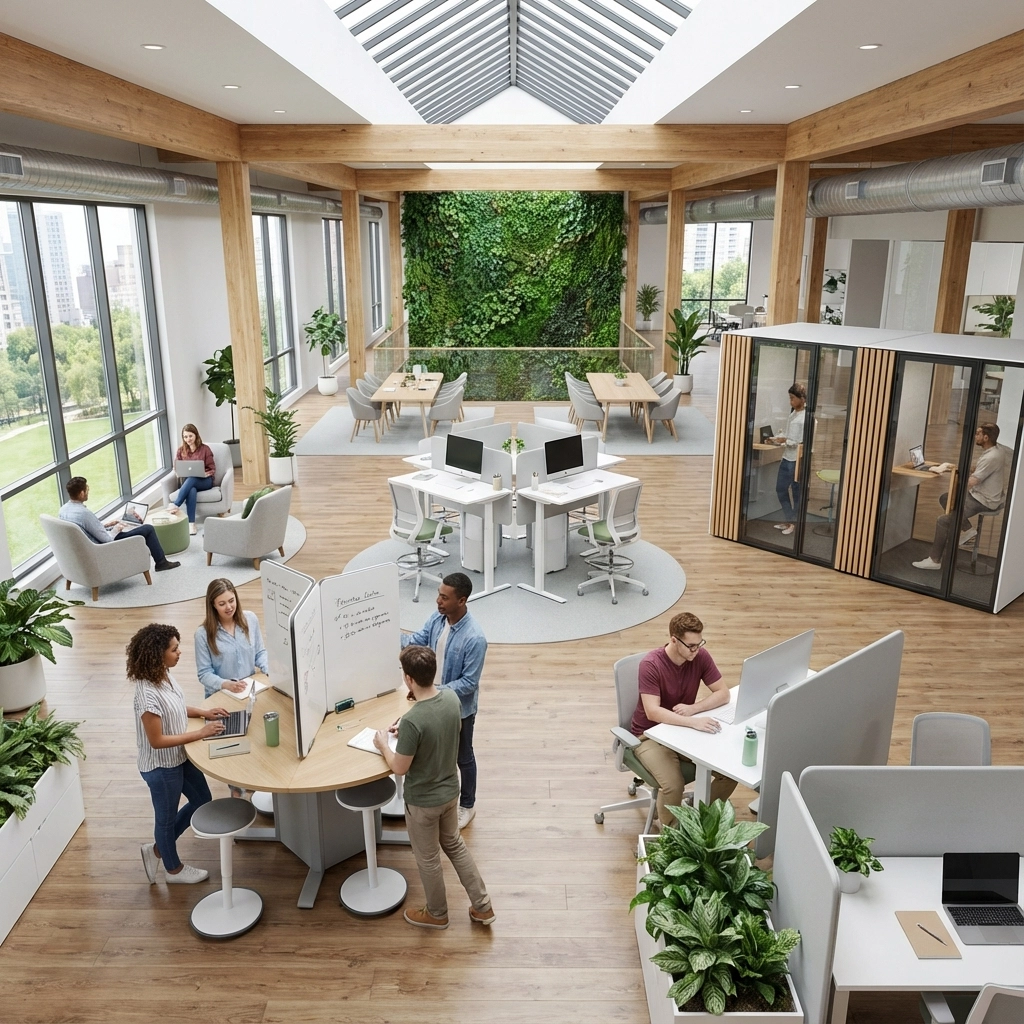
The most successful companies are those that view these preferences not as generational quirks but as indicators of evolving workplace excellence. They're discovering that when employees feel both personally fulfilled and professionally empowered, the resulting engagement, creativity, and loyalty benefit everyone involved.
Success stories often involve organizations that have restructured around project-based outcomes rather than time-based metrics, created mentorship programs that connect individual growth with company mission, and established transparent communication about how different roles contribute to larger goals. These companies find that Gen Z employees become powerful advocates for organizational culture when they feel genuinely aligned with their workplace environment.
The Future of Work Values
As Generation Z continues entering the workforce in greater numbers, their influence on professional norms will only grow stronger. The convergence of purpose and flexibility isn't just reshaping individual career choices: it's fundamentally altering how organizations think about productivity, engagement, and success.
This transformation suggests a future where work becomes more human-centered, where professional fulfillment encompasses both personal meaning and practical autonomy, and where the best organizations will be those that recognize these values as strengths rather than accommodations. The question for leaders and organizations isn't whether to adapt to these changing expectations, but how quickly and effectively they can evolve to meet them.
The morning light continues filtering through those office windows, illuminating workspaces that look different than they did just a few years ago. And in that light, we can see the outline of a professional future that honors both the human need for meaningful contribution and the practical wisdom of flexible, autonomous work arrangements. Generation Z isn't just changing jobs: they're changing what it means to have a career worth pursuing.
For those seeking to understand and leverage these insights in their own professional development journey, exploring comprehensive learning programs can provide valuable frameworks for aligning personal values with career growth. Discover more resources at Mekalin Learning Consultancy to support your own evolution in this changing workplace landscape.
Comments