How Gen Z Is Redefining Productivity and Work-Life Balance
- Chaitanya Prabhu
- Dec 29, 2025
- 5 min read

There's something profound happening in conference rooms and co-working spaces across the globe: a quiet revolution that's reshaping how an entire generation approaches the very concept of work itself. Watch a Gen Z professional navigate their workday, and you'll witness something different: deliberate boundary-setting, purposeful skill-building, and an unapologetic prioritization of well-being that previous generations might have whispered about in hushed tones during lunch breaks.
The traditional ladder of corporate success, with its promise of corner offices and executive titles, stands increasingly empty as this generation chooses to redefine what productivity and balance actually mean in practice.
The Death of the Corporate Climb

The numbers tell a startling story: only 6% of Gen Z professionals view reaching senior leadership as their primary career goal. This isn't laziness or lack of ambition: it's a fundamental reimagining of what success looks like. While their parents might have measured achievement through hierarchical advancement, Gen Z measures it through continuous growth, meaningful flexibility, and alignment with personal values.
This shift creates a fascinating paradox in modern workplaces. Employers still design career paths assuming workers will climb rungs methodically, yet their youngest employees are already planning their exit strategy. One in three Gen Z employees plans to switch jobs within six months, driven not by restlessness but by misalignment between their evolving definition of productivity and their employer's outdated expectations.
The average Gen Z worker stays in a role for just 1.1 years: a timeframe that might seem alarming to traditional HR departments but makes perfect sense when viewed through their lens of purposeful career curation.
Learning as the New Currency
Step into any coffee shop during lunch hour and observe the Gen Z professionals hunched over laptops, earbuds in, absorbing knowledge with the intensity of scholars. Nearly 70% develop new skills weekly, transforming their lunch breaks, commutes, and evening hours into deliberate learning laboratories.
This generation has turned upskilling into an art form, with 75% actively using AI tools to accelerate their learning: far more than any previous generation. They don't wait for their employers to offer training; they create their own curriculum, understanding that technical fluency and adaptability represent the new job security.
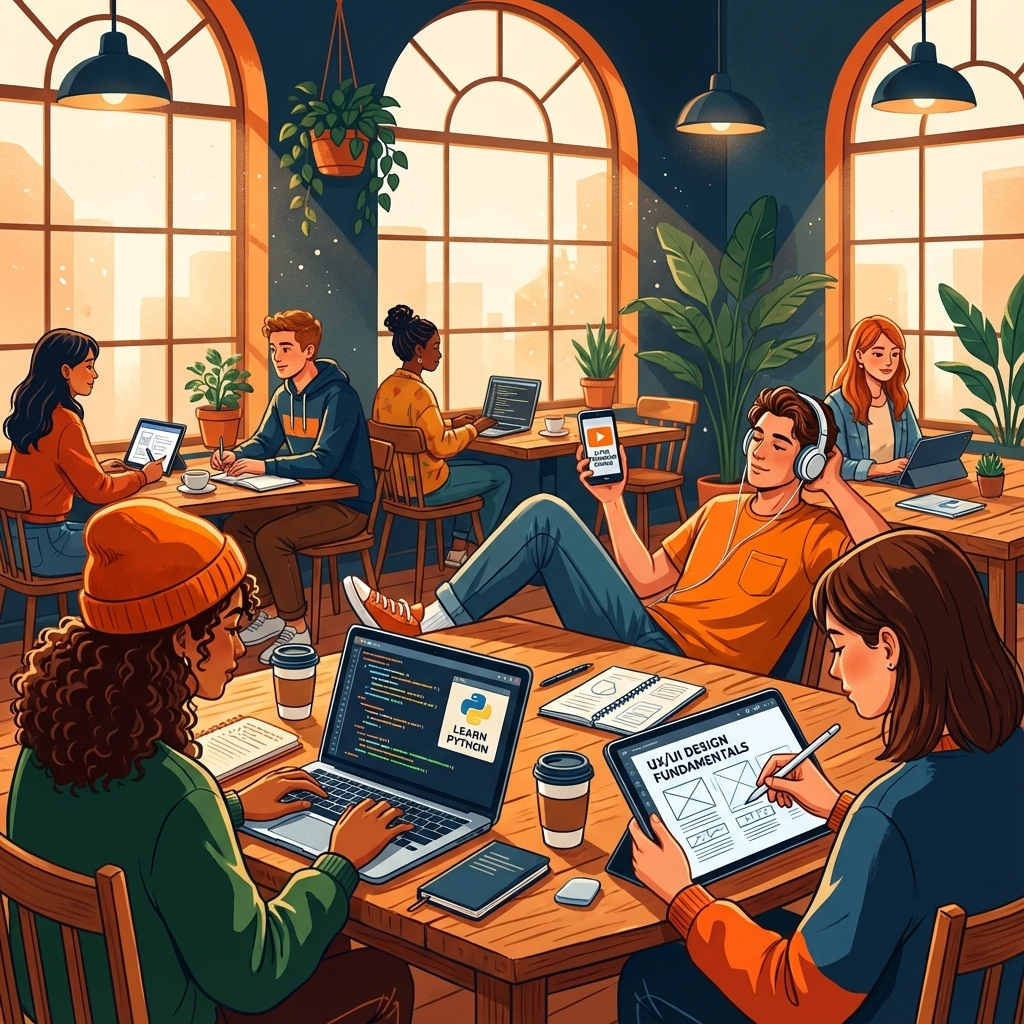
Yet here lies a critical disconnect. While 51% of Gen Z employees prioritize AI expertise and cutting-edge skill development, only 42% of their employers emphasize AI training, instead focusing on traditional leadership development. It's as if two different conversations about the future of work are happening simultaneously in the same building.
This mismatch reveals something deeper about how Gen Z defines productivity: it's not about logging hours or completing predefined tasks, but about continuously evolving their capabilities to stay relevant in a rapidly changing landscape.
The Mentor Revolution
The command-and-control management style that dominated previous decades feels as outdated to Gen Z as a rotary phone. They enter workplaces expecting something fundamentally different from their managers: mentorship, inspiration, and genuine support for their holistic well-being.
Watch a Gen Z employee interact with a traditional manager, and you'll witness two different languages being spoken. The manager focuses on task completion, deadlines, and measurable outputs. The employee seeks guidance, connection, and understanding of how their work connects to larger purposes.
This expectation shift has created what researchers call a "mentorship gap." While employers report increasing their mentorship programs by 11% (reaching 40% of organizations), Gen Z employees report feeling less supported, with perceived mentorship dropping by 3% to just 32%.
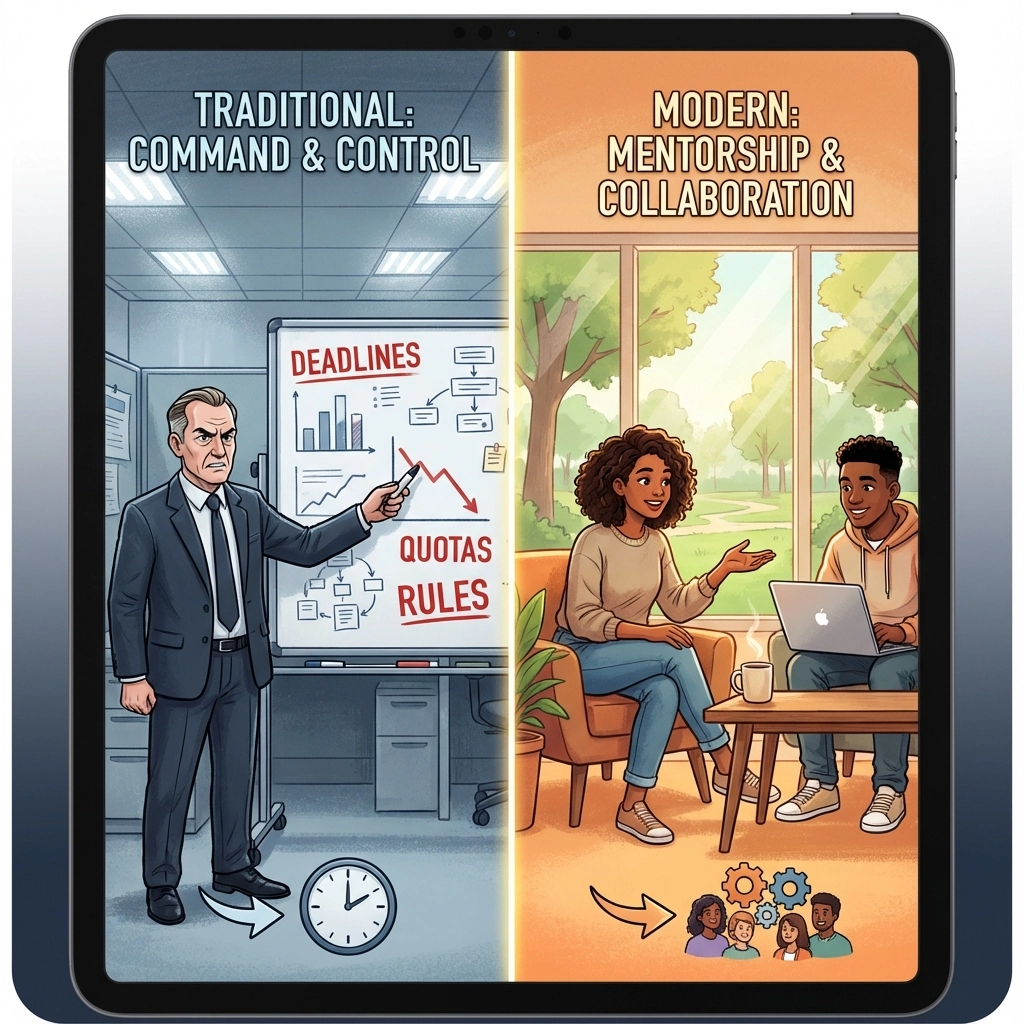
The disconnect suggests that well-intentioned programs aren't translating into the felt experience of guidance and growth that Gen Z craves. They want managers who understand that productivity isn't just about individual performance: it's about creating environments where learning, purpose, and personal development can flourish simultaneously.
Flexibility: The Non-Negotiable Foundation
Contrary to popular assumptions, Gen Z workers are the least likely generation to prefer exclusively remote work. This surprising finding reveals something nuanced about their approach to work-life balance: they value flexibility, not isolation.
What they're really seeking is the autonomy to design work arrangements that serve both their productivity and their life circumstances. Only 45% currently work traditional full-time roles, while 31% of full-time Gen Z workers actively pursue side hustles alongside their primary employment.
This isn't about divided loyalty or lack of commitment: it's about diversifying experience, building financial resilience, and maintaining career control in an uncertain economic landscape. They understand that true work-life balance comes from having multiple income streams and varied skill applications, not from finding the "perfect" job that meets all their needs.
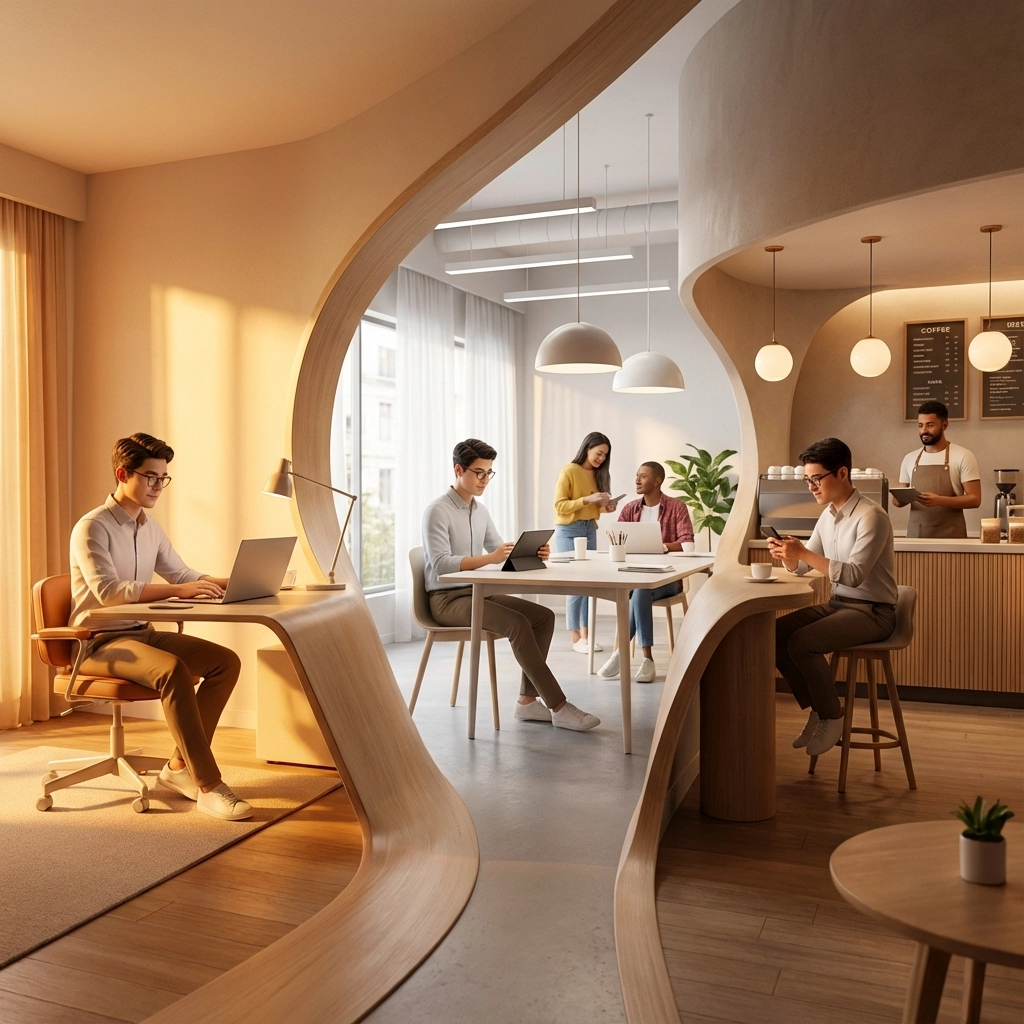
The side hustle culture represents more than entrepreneurial spirit; it's a practical response to job market realities where entry-level opportunities have declined by 29% year-over-year. By creating multiple professional identities, Gen Z workers are building their own stability rather than depending on corporate promises of long-term security.
The AI Integration Imperative
Perhaps nowhere is Gen Z's redefinition of productivity more evident than in their relationship with artificial intelligence. While 79% believe they can learn new skills quickly and 58% feel excited about AI's workplace potential, 46% simultaneously worry about job displacement: particularly at entry levels where many are just establishing their careers.
This complex relationship with AI reveals their sophisticated understanding of the modern work landscape. Rather than resisting technological change or passively accepting it, they're actively positioning themselves to work alongside AI tools, viewing them as productivity multipliers rather than threats.
Their approach to AI integration offers lessons for workplace productivity more broadly: embrace change proactively, focus on uniquely human skills that complement technology, and continuously adapt rather than defending outdated approaches to work.
Building Better Work Cultures

The Gen Z redefinition of work-life balance goes beyond individual preferences: it's a call for systemic change in how organizations approach employee well-being. They reject surface-level wellness programs in favor of structural changes that address root causes of workplace stress: unclear boundaries around working hours, lack of recognition, and toxic organizational cultures.
Long hours and unrealistic expectations don't impress this generation; they see them as signs of poor management and inefficient systems. They prefer work environments that prioritize mental health, sustainable pace, and meaningful contribution over the performative busyness that previous generations often mistook for dedication.
This perspective challenges organizations to examine whether their cultures actually support productivity or simply create the appearance of it. Gen Z workers are forcing conversations about what effective work really looks like when stripped of outdated assumptions about time, presence, and career progression.
The Future They're Creating
As we observe this generation navigate their early careers, we're witnessing more than individual choices: we're seeing the emergence of a new professional paradigm. Their redefinition of productivity and work-life balance reflects a generation shaped by financial uncertainty, technological acceleration, and global instability, yet determined to create work experiences that serve both economic necessity and human flourishing.
The changes they're driving: prioritizing learning over ladder-climbing, seeking mentorship over management, embracing flexibility over rigid structures: represent a maturation of our understanding of what sustainable, fulfilling work can look like.
Their approach offers a blueprint for organizations ready to evolve: create learning-rich environments, develop genuine mentorship capabilities, design flexible work arrangements, and build cultures that support both individual growth and collective success. The companies that understand this redefinition will not only attract Gen Z talent but will likely create more engaging, productive workplaces for employees across all generations.
For learning and development professionals, the message is clear: the future belongs to organizations that can match Gen Z's commitment to continuous growth, purposeful work, and balanced living. The question isn't whether this redefinition will continue: it's whether we'll embrace it thoughtfully enough to benefit from the wisdom it offers.
Comments